

Understanding Twin Research
How twin studies help us understand the influences on child and adolescent development.
Twin research is a powerful method for understanding how genes and environments work together to influence behaviour, mental health and development.
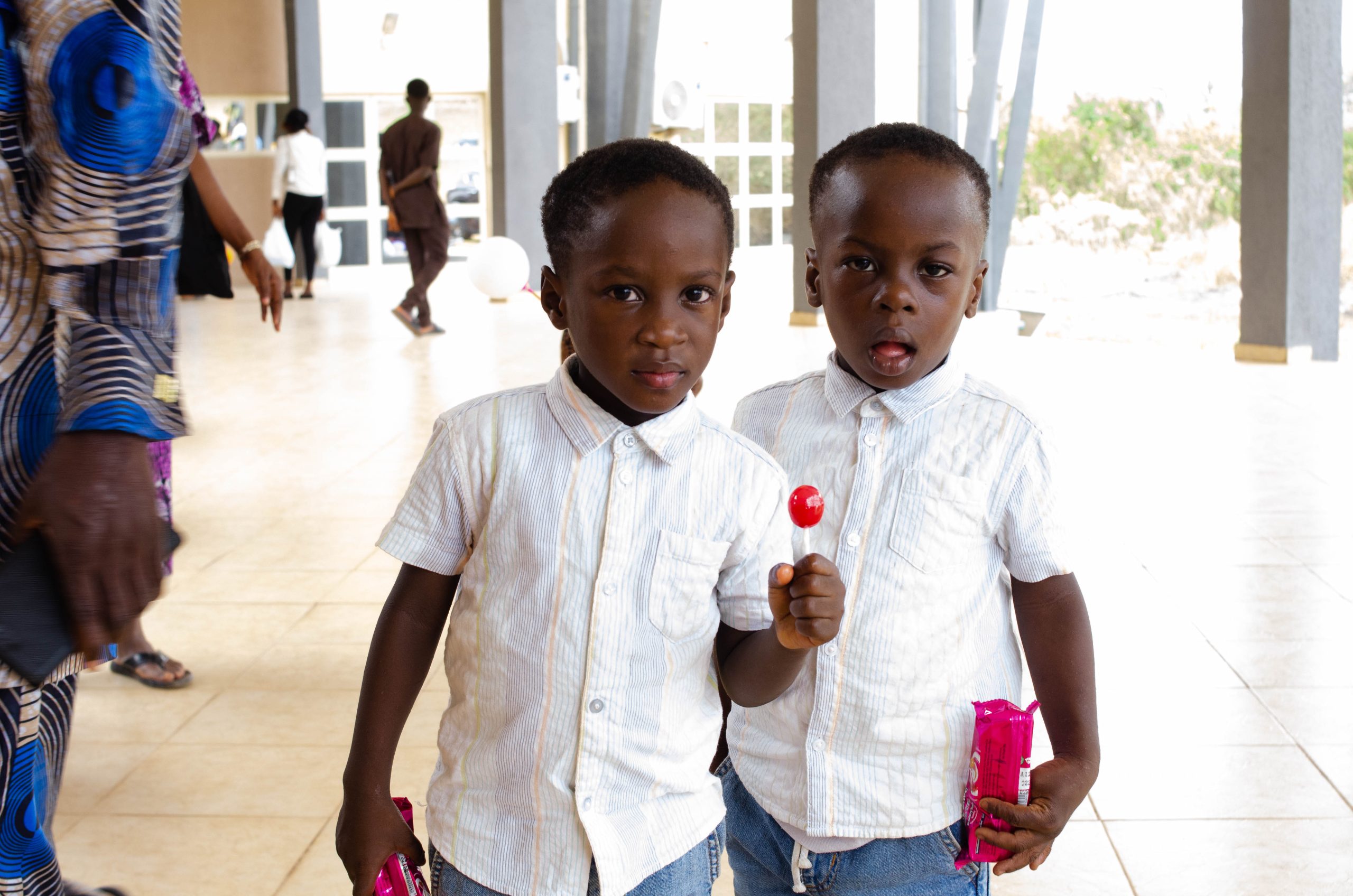
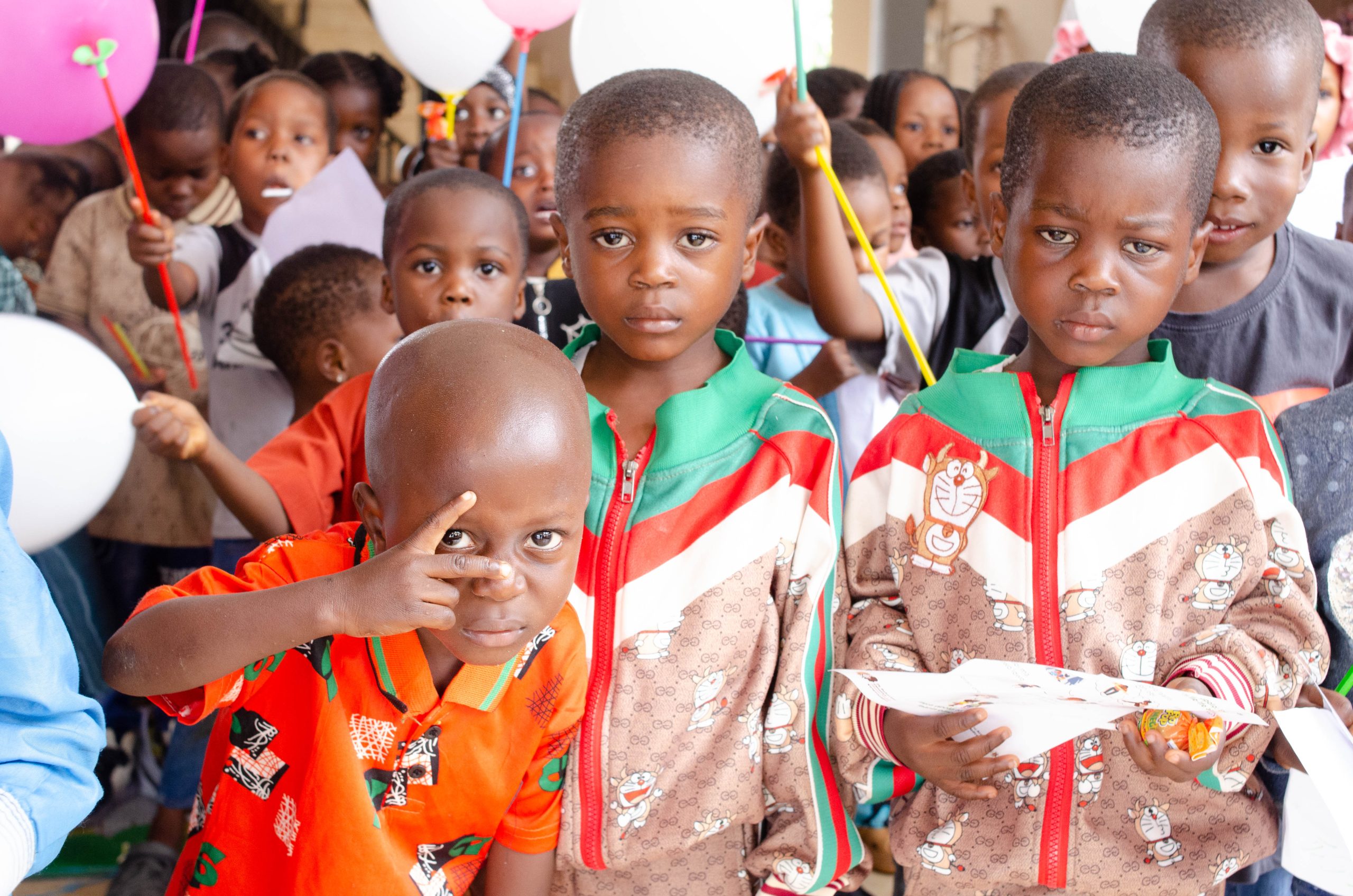
Twin Research
Understanding Twin Research
What is twin research?
Twin research compares similarities and differences between twins to understand the role of genetic and environmental influences on behaviour, health and development.
Identical (monozygotic) twins share almost all their genes, while fraternal (dizygotic) twins share about half. Comparing the two types of twins helps researchers separate genetic and environmental effects.
Why use twins?
Natural experiment
Twins allow us to study genetic and environmental influences in a natural and ethical way.
Unique insights
Helps us understand why some children develop certain traits or conditions while others do not.
Inform better support
Evidence from twin studies can inform policies, interventions and support services for children and families.
Wo, Fetísílẹ̀ & Kọ́ Ẹ̀kọ́
- Àwọn fídíò, àwòrán, ohùn àti bẹ́ẹ̀ bẹ́ẹ̀ lọ láti ràn ọ́ lọ́wọ́ láti kọ́ nípa ìbejì àti ìdàgbàsókè ọmọ.
- Fídíò: Kí ni IBeGe?
- Ohùn: Ìlera ọpọlọ àwọn ọmọdé
Common questions
No. Identical twins share almost all their genes, but they can still differ in personality, health and behaviour. Differences in their experiences and environments are one reason researchers study them.
They help estimate how much of a trait, such as anxiety or learning, is linked to genes and how much to the environment a child grows up in.
No. Genes and environment work together, and genetic influence is not the same as destiny. Family, school and community all shape how children develop.
Families take part by sharing information about their children, for example through questionnaires or visits.
Participation is voluntary, and families can choose not to take part or to stop at any time.
Both can take part. Comparing identical and fraternal twins is how researchers separate genetic and environmental effects, so both types of twins are valuable.
Àwọn Ìbejì ní Àṣà Yorùbá
A máa ń ṣe ayẹyẹ ìbejì gẹ́gẹ́ bí ẹni tó ń mú ìbùkún wá. Kọ́ nípa ìdí tí wọ́n fi ṣe pàtàkì nínú ìwádìí pẹ̀lú.
Kí nìdí tí ìwádìí Twin fi ṣe pàtàkì
Fífi àwọn ìbejì tí wọ́n jọra àti àwọn tí kò jọra wé ara wọn fihàn bí àwọn ìbílẹ̀ àti àyíká ṣe ń ṣe àwọn ọmọdé.
Ìlera Ọpọlọ Àwọn Ọmọdé
A máa ń ṣe àyẹ̀wò àwọn àmì ìbẹ̀rẹ̀ ìṣòro ìmọ̀lára àti ìwà nínú àwọn ọmọdé.
Àlàáfíà Ọ̀dọ́
A n ṣe àwárí àníyàn àti ìrẹ̀wẹ̀sì láàárín àwọn ọ̀dọ́langba ní Ìpínlẹ̀ Osun.
Àwọn Òbí àti Ìdílé
Àwọn òbí ló ṣe pàtàkì fún ìlera àwọn ọmọdé, nítorí náà a máa ń bá àwọn méjèèjì ṣiṣẹ́.
Gba apakan
Ṣé ìbejì ni ọ́ tàbí òbí ìbejì? Dára pọ̀ mọ́ àwùjọ ìwádìí wa.
Ṣayẹ̀wò Ìkẹ́kọ̀ọ́ Wa
Kọ ẹkọ diẹ sii nipa iwadii wa
Ṣe àwárí àwọn ẹ̀kọ́ wa, àwọn àwárí àti àwọn ohun èlò láti rí bí ìwádìí ìbejì ṣe ń ran ènìyàn lọ́wọ́ láti ní òye tó dára jù nípa ìlera ọpọlọ ọmọdé àti ọ̀dọ́ ní Nàìjíríà.