
Research Projects
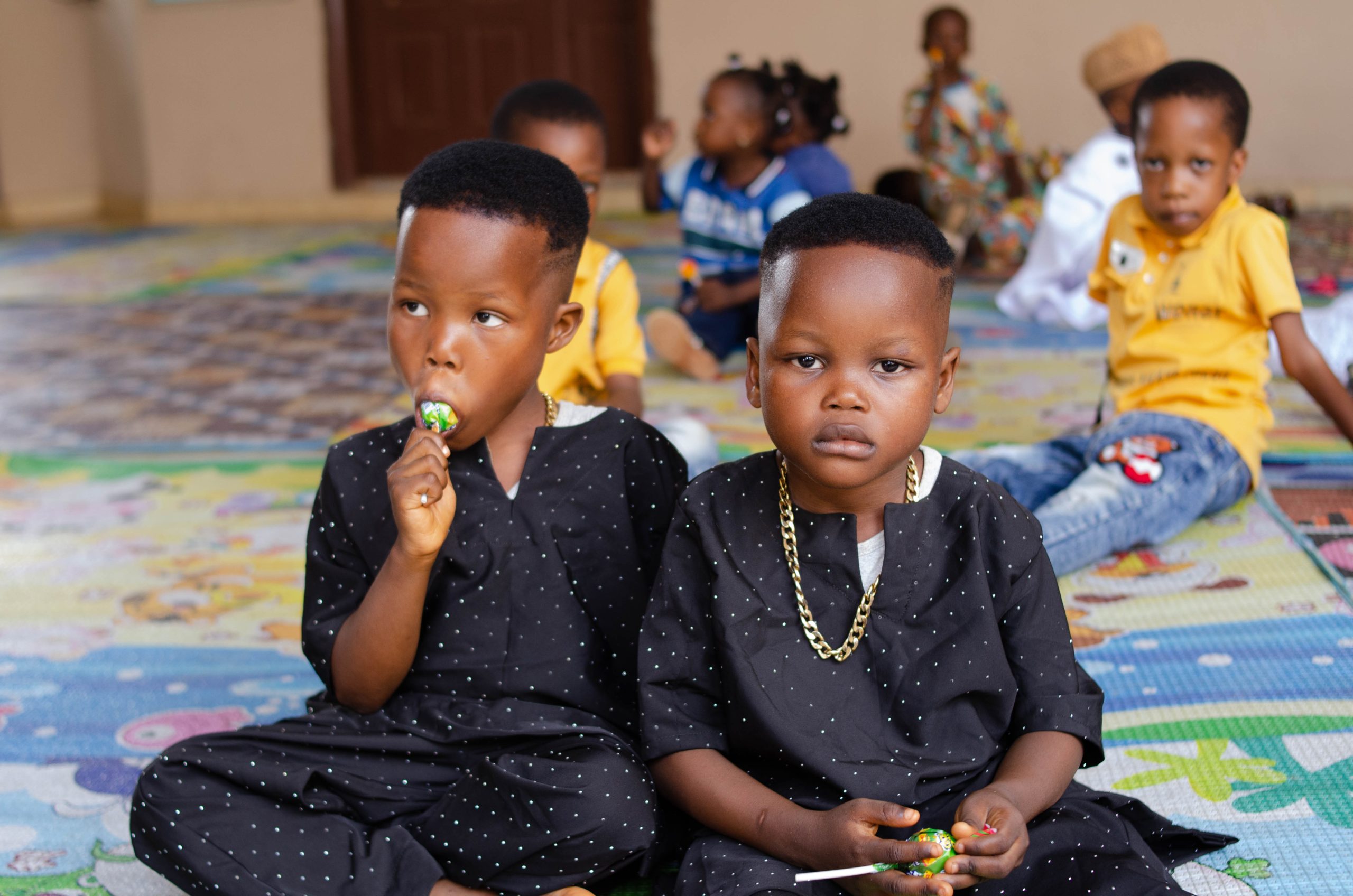
Our projects use information from twins and their families in Osun state, south-west Nigeria, to understand what influences children’s wellbeing and mental health.
Early childhood mental health
Disentangling the mechanisms of early childhood psychopathology in a resource-poor setting using a genetically informative design: a pilot twin study in southwestern Nigeria
Early childhood is a critical period when mental health problems first emerge, often continuing into adulthood. These problems appear to be increasing in resource-poor countries while child and adolescent mental health care remains limited. As a first step, we carried out a small-scale study to test whether child mental health research with young twins and their parents is feasible in Nigeria. This will help us plan larger studies.
- Lead researcher: Dr Olakunle Oginni
- Location: Osun state, Nigeria; Cardiff, United Kingdom
- Collaborators: Cardiff University, UK; Obafemi Awolowo University, Ile-Ife, Nigeria
- Publication: https://link.springer.com/article/10.1007/s10519-025-10235-z

Adolescent anxiety and depression
Mechanisms underlying development of adolescent anxiety and depression in Low- and Middle-Income populations
This project looked at links between mental health symptoms among adolescents, and the genetic and environmental influences on them. We collected information from adolescent twins in secondary schools in two towns, Ile-Ife and Ilesa. In total, 450 pairs of twins took part and told us about their mental health and social circumstances.
- Lead researcher: Dr Olakunle Oginni
- Location: Ile-Ife and Ilesa, Osun state, Nigeria
- Collaborators: King’s College London
- Publication: Book of abstracts (link to be provided)
Mothers of young twins
Perception of mental health and risk among mothers of young twins in South-West Nigeria: a pilot study.
Short summary: to be provided.
- Lead researcher: To be provided
- Location: South-West Nigeria
- Collaborators: To be provided
- Publication: To be provided

Join Our Next Study
Want to be part of our next study?
We regularly invite twins, parents of twins, and adult twins and their children to take part.