Understanding twins. Supporting brighter futures.

Researching children’s mental health, development and wellbeing to create a healthier, stronger Nigeria.

Twin Pair
0
Àwọn ìlú
0
Àwọn Iṣẹ́ Àkànṣe
0
Àwọn Ìwé Tí A Tẹ̀ Sílẹ̀
0
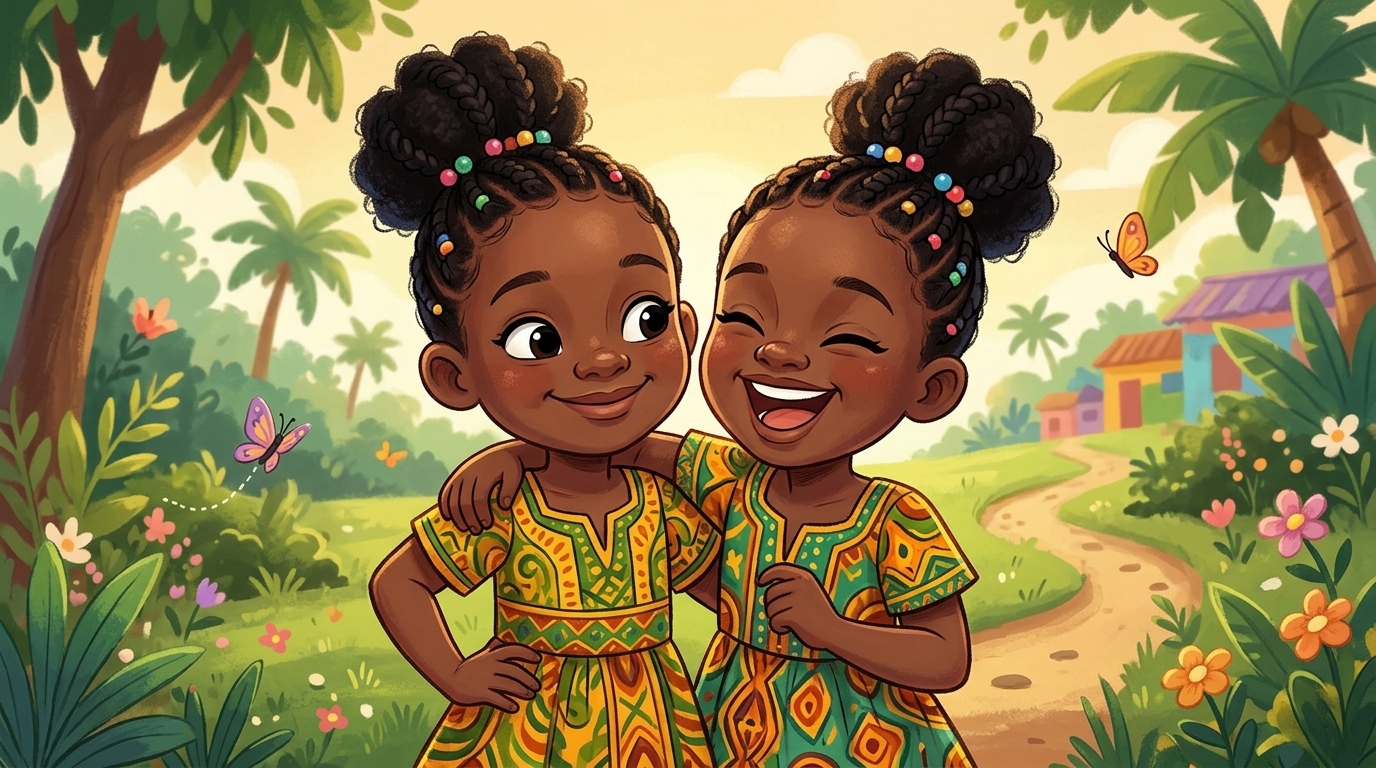
realistic_cartoon_picture_of_twins_26a3c9a8

Nípa IBeGe

Ife Behaviour Genetics (IBeGe) Project: Twins for health and well-being

South West Nigeria has one of the highest rates of twins in the world. In Yoruba culture,
twins are revered and believed to be able to bring blessings and good fortune to their
parents, so they are celebrated. In fact, the Yoruba have a traditional praise song
dedicated to twins (add oriki Ibeji; text, audio and images). In research, twins are also
special because they can give us information that we cannot get from non-twins. As an
example, information from twins can help us estimate the contribution of genetic and
non-genetic factors to behavioural and physical traits. Genetic factors refer to what
children inherit that make them similar to their parents. On the other hand,
environmental factors refer to the experiences we have that can also influence these
traits. Genetic factors make us similar to our parents, siblings and other family members
while environmental factors either make us similar to our family members, or different
from them.

01

Healthier Children

Better understanding of mental health and development

02

Stronger Families

Evidence to support parents and caregivers

03

Healthier Communities

Research that informs policy and practice

Research Themes & Featured Projects

We explore key areas of child development and mental health through twin and population research.

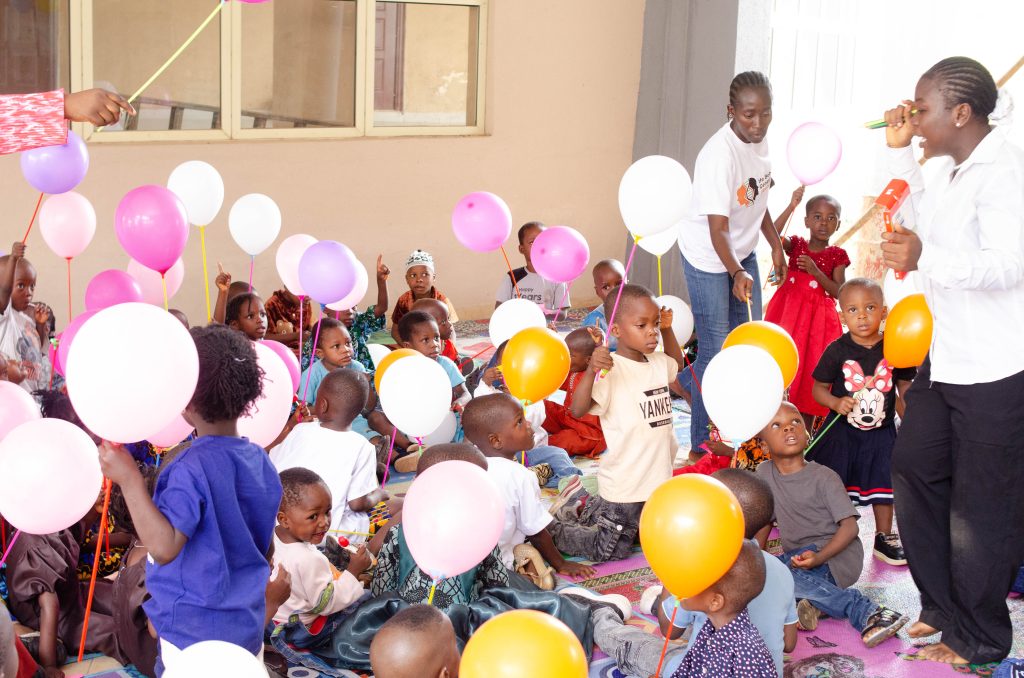
Twins_in_classroom_f2d4f287

Mental Health

Child and Adolescent Mental Health. Understanding emotional wellbeing and mental health in children.

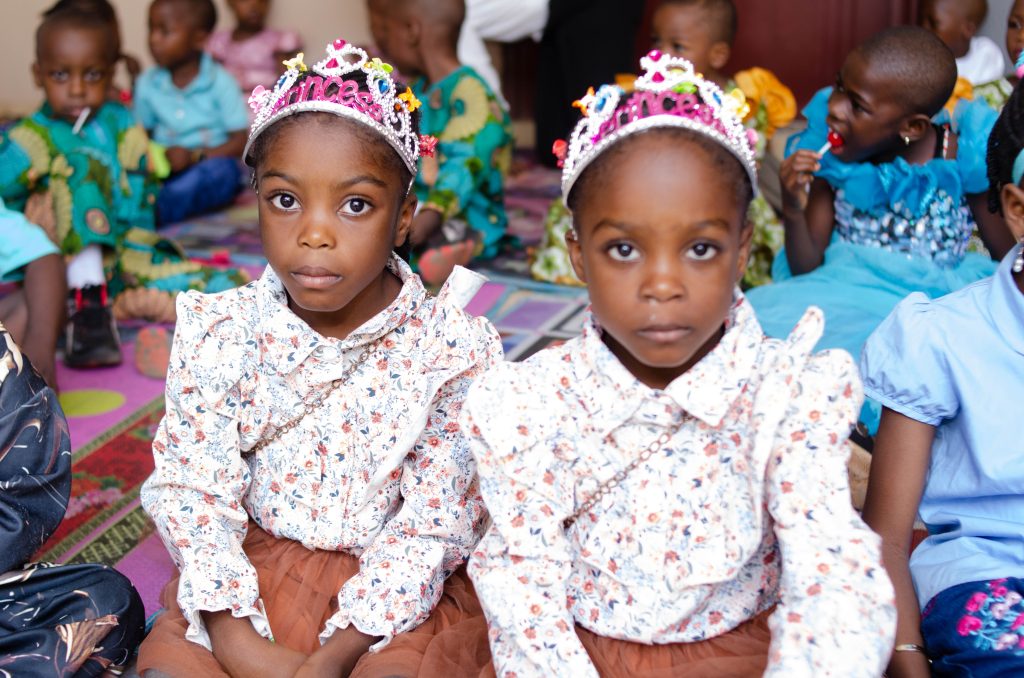
Twins_in_classroom_e5839013

Development

Cognitive and Behavioural Development. Exploring how children learn, behave and grow.

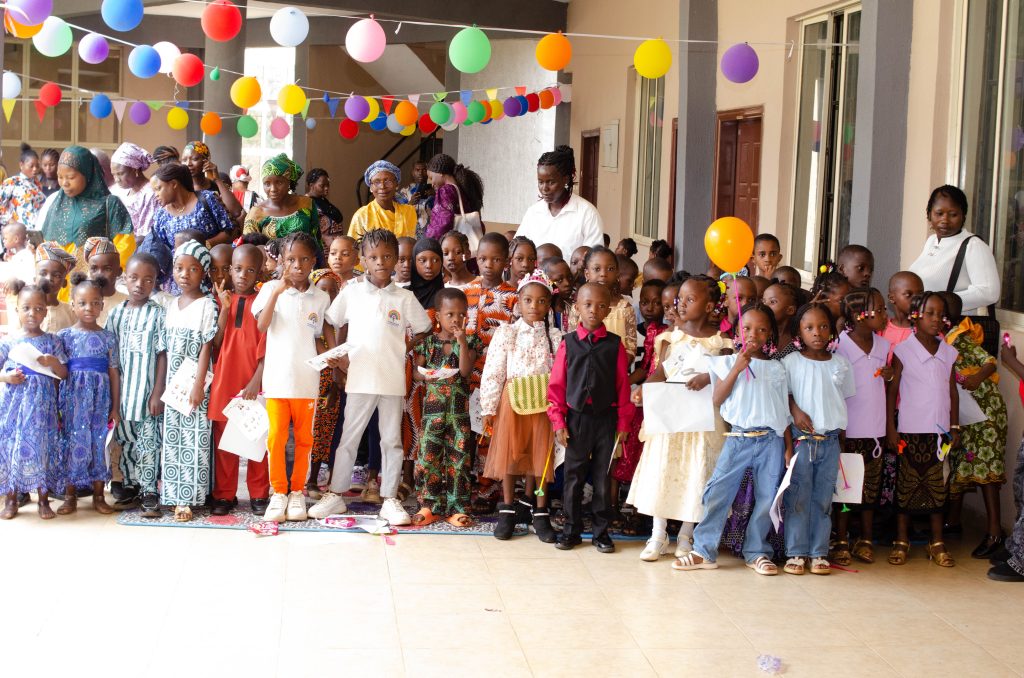
Twins_in_classroom_c7893b0b

Environment

Family, School and Community Influences. Examining the environments that shape child development.

Understanding Twin Research

Twin research helps us understand how genes and environment influence children’s development, behaviour and mental health.

Fún Àwọn Ọmọdé

A special space for children to learn, explore and ask questions about twins, mental health and growing up.

Wo, Fetísílẹ̀ & Kọ́ Ẹ̀kọ́

Ẹgbẹ́ wa

Pade Ẹgbẹ Iṣẹ́ Àkànṣe IBeGe

Dókítà Olakunle Oginni

(Yunifásítì Cardiff)

Kehinde Dorcas Ayodele

(Yunifásítì Obafemi Awolowo)

Margaret

Ask IBeGe

Frequently Asked Questions about twins, child development or mental health?

Twin_girls_for_cartoon_story_cded701f

No. Identical twins share almost all their genes, but they can still differ in personality, health and behaviour. Differences in their experiences and environments are one reason researchers study them.

They help estimate how much of a trait, such as anxiety or learning, is linked to genes and how much to the environment a child grows up in.

No. Genes and environment work together, and genetic influence is not the same as destiny. Family, school and community all shape how children develop.

Both can take part. Comparing identical and fraternal twins is how researchers separate genetic and environmental effects, so both types of twins are valuable. 

Ṣayẹ̀wò Ìkẹ́kọ̀ọ́ Wa

Kọ ẹkọ diẹ sii nipa iwadii wa

Ṣe àwárí àwọn ẹ̀kọ́ wa, àwọn àwárí àti àwọn ohun èlò láti rí bí ìwádìí ìbejì ṣe ń ran ènìyàn lọ́wọ́ láti ní òye tó dára jù nípa ìlera ọpọlọ ọmọdé àti ọ̀dọ́ ní Nàìjíríà.