

Children’s mental health is a growing concern in many low- and middle-income countries, yet very little research in Africa has looked at what causes these problems in the first place. Our team has now published a paper that takes an important first step.
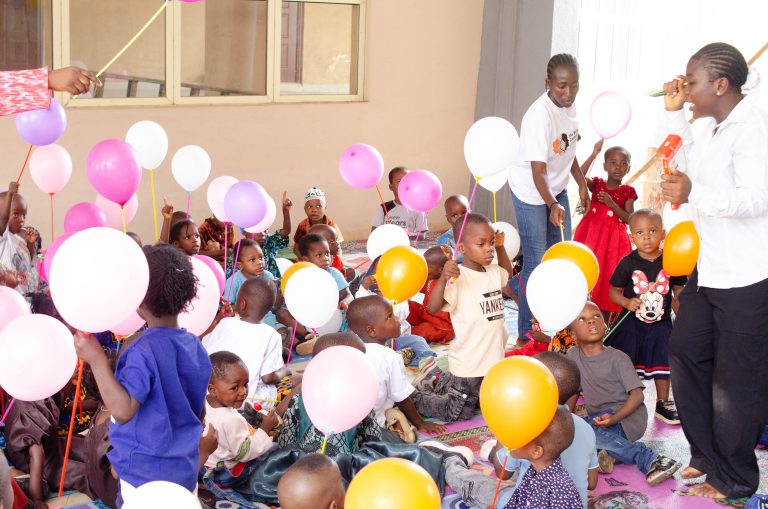
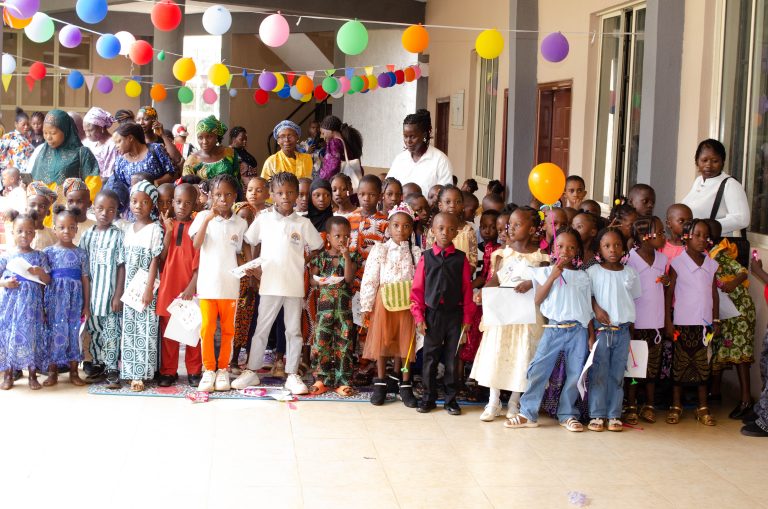
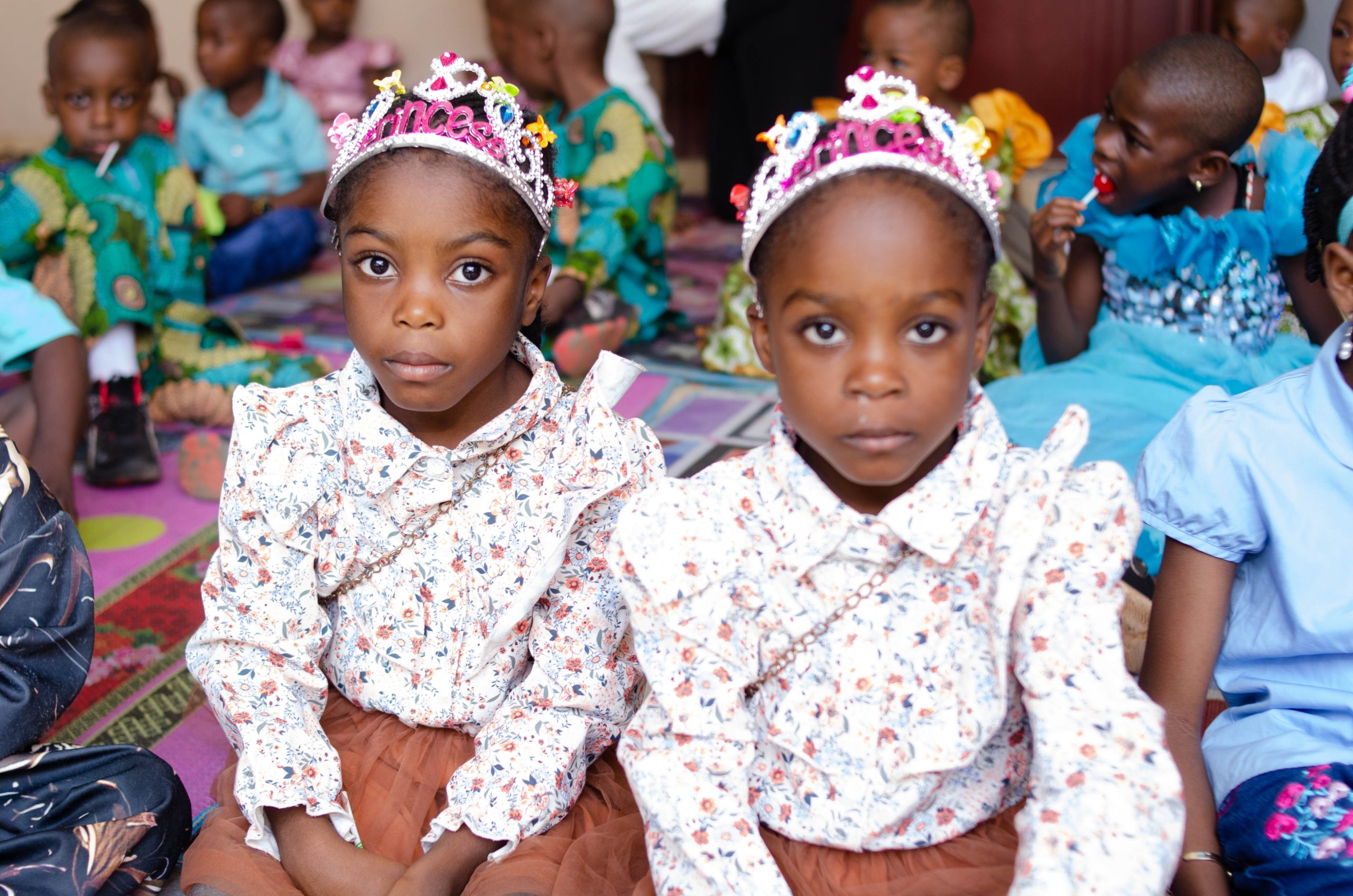
The paper, “Child mental health research in low- and middle-income countries: a twin-family feasibility study in Nigeria”, appears in Behavior Genetics (2025). It reports on a small-scale study we carried out with twin children aged 3–5 years and their parents in south-west Nigeria.
Why a feasibility study?
This is the first twin study of its kind in Africa. Before launching a large study, we wanted to find out whether this kind of research can be done well: whether families are willing to take part, whether the methods suit the setting, and what we need to do differently. A pilot helps us design a larger study successfully and build collaborations in Nigeria and internationally.
Why twins and their parents?
The twin design is an efficient way to identify environmental risks for mental health problems, because it estimates their impact after accounting for genetic influences. Collecting information from parents as well, and following twins as they grow, helps us understand how mental health risk is passed on in families and which protective factors could reduce it.
What the study set out to do
The study had two aims. First, to assess whether a twin-family study among children aged 3–5 and their parents is feasible in south-west Nigeria. Second, to explore links between childhood mental health problems (emotional, conduct/behavioural and hyperactivity-impulsivity symptoms) and biological, psychological and social risk and protective factors in both children and their parents.
What happens next
The results will inform the design of a larger study. In the long term, we hope the findings will help shape policies and support for children’s mental health in Nigeria and other resource-poor settings.
[Add one or two headline results from the paper, in plain language.]
The full paper is available through Behavior Genetics: https://link.springer.com/article/10.1007/s10519-025-10235-z
We are grateful to every family who took part, and to our partners at Cardiff University and Obafemi Awolowo University, Ile-Ife.