

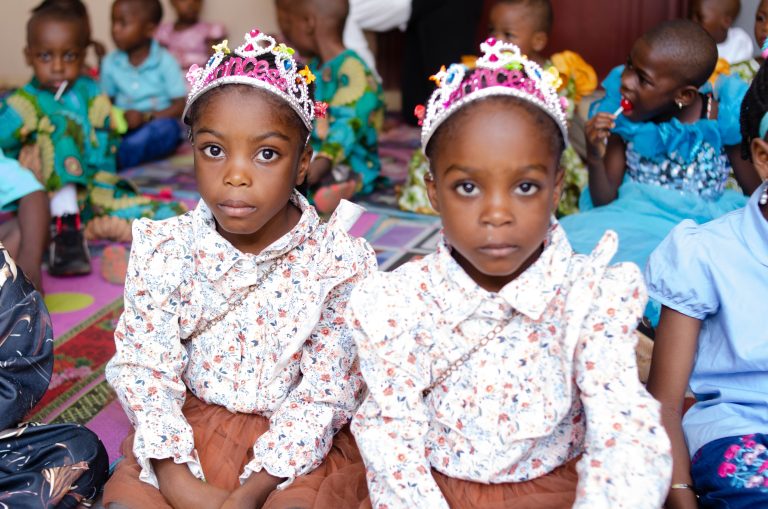
South-west Nigeria has one of the highest rates of twins in the world, yet twin research there has been rare. In 2024, members of our team published a paper in Behavior Genetics that asks why, and what we can do about it.
The paper, “The challenges and opportunities for mental health twin research in Nigeria”, was written by Dr. Olakunle Oginni together with colleagues including Kehinde Dorcas Ayodele, and draws on our experience of running twin studies in Osun State.
Why it matters
Twin research can tell us how much of a trait, such as anxiety or depressive symptoms, comes from genes and how much from environment. That information helps us identify which parts of the environment to focus on, and so how best to advise parents and caregivers. Most of this research has been done in high-income countries, so we know much less about children in Nigeria and other low- and middle-income countries.
Challenges and opportunities
The paper discusses the practical realities of this work in Nigeria, alongside the opportunities that come from the country’s high twin birth rate and the cultural place of twins in Yoruba communities. It also highlights the value of patient and participant involvement and engagement, which means working with families as partners rather than only as sources of data.
A foundation for our work
The ideas in this paper shape how we run our studies today: involving a group of parents of twins in designing our research, sharing findings back with participants, and building networks across Nigeria and internationally.
The paper is available at Behavior Genetics: https://link.springer.com/article/10.1007/s10519-023-10153-y

Hi, this is a comment.
To get started with moderating, editing, and deleting comments, please visit the Comments screen in the dashboard.
Commenter avatars come from Gravatar.